



Leaking a little when you sneeze, cough or laugh? You’re not alone – and you don’t have to simply put up with it.
Having a baby changes your body in so many ways, and bladder leaks can be one of those changes that isn’t always talked about. You might notice a few drops of urine when you sneeze, cough, laugh or exercise. Or perhaps you suddenly get the urge to use the toilet and worry that you won’t make it in time. You may even find yourself wearing a pad “just in case”, planning your day around where the nearest toilet is, or avoiding certain activities because you’re worried about leaking. If this sounds familiar, you’re not alone. Urinary incontinence is common during and after pregnancy, but that doesn’t mean you have to accept it as something you simply have to live with. There is help available.
What is incontinence?
Urinary incontinence means accidentally leaking urine when you don’t intend to. There are several types of urinary incontinence. Two that are commonly talked about in relation to pregnancy and postpartum recovery are stress incontinence and urge incontinence.
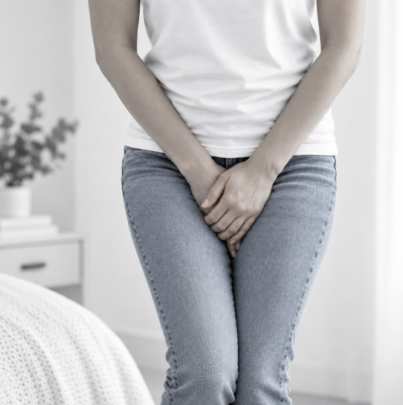
Stress incontinence
Stress incontinence happens when urine leaks because pressure is placed on the bladder.
You might notice a leak when you:
- Cough
- Sneeze
- Laugh
- Exercise
- Jump
- Lift something
- Pick up your baby
- Move from sitting to standing
Stress incontinence is one of the most common types of urinary incontinence and can be associated with pregnancy, childbirth and pelvic floor weakness.
Urge incontinence
Urge incontinence is different. This is when you suddenly get a strong urge to urinate and don’t always have enough time to reach the toilet. You might find yourself thinking:“I need to go NOW!” You may leak while rushing to the bathroom, when you get home and put your key in the door, or when you hear running water. Some women experience both stress and urge incontinence.
Why does it happen after having a baby?
Your pelvic floor is a group of muscles at the bottom of your pelvis. These muscles help support your bladder, bowel and uterus and play an important role in bladder and bowel control.Pregnancy places extra stress on these muscles as they support the increasing weight of your growing baby. Childbirth can place additional strain on the pelvic floor, particularly during a vaginal birth. But it’s important to know that pelvic floor problems can also occur after a C-section. Pregnancy itself places increased pressure on the pelvic floor, so having a caesarean birth doesn’t mean you’re automatically protected from bladder leakage. Other things can also affect pelvic floor function, including constipation and straining, heavy lifting and chronic coughing. So if you’ve noticed bladder leaks after having your baby, it isn’t because you’ve done something wrong.
Your body has been through a lot.
What does incontinence look and feel like?
Incontinence isn’t always a dramatic accident. Sometimes it’s just a few drops.
You might notice:
- A small leak when you sneeze or cough
- Damp underwear after exercising
- Leaking when lifting your baby
- A sudden, urgent need to use the toilet
- Leaking before you reach the bathroom
- Needing to wear a pad “just in case”
- Avoiding exercise or activities because you’re worried about leaking
- Feeling like you can’t completely control your bladder
Even if you’re only leaking a small amount, it’s worth talking about. You don’t need to wait until it becomes a big problem before asking for help.
Is incontinence just something I have to live with?
No.
Bladder leakage may be common after pregnancy and childbirth, but that doesn’t mean you should simply accept it as your new normal. Continence NZ specifically advises that leaking isn’t something women should simply put up with, and pelvic floor assessment and appropriate training can help. For some women, symptoms improve as the body recovers after pregnancy and birth. For others, additional support and treatment may be needed. The important thing is to get the right advice for your body.
Start with your pelvic floor
Pelvic floor muscle training is often an important part of managing urinary incontinence. The pelvic floor muscles help support the bladder and help control the bladder and bowel outlets. However, doing pelvic floor exercises isn’t simply about squeezing as hard or as often as possible. It’s important to learn how to correctly contract and relax the muscles. If you’re unsure whether you’re doing your pelvic floor exercises correctly, a pelvic health physiotherapist can assess your muscles and give you an individual programme. Continence NZ recommends seeking professional help if you’re having problems or are unsure how to perform the exercises correctly.
What does a pelvic health physiotherapist do?
If you’ve never seen one before, the idea of seeing a pelvic health physiotherapist can feel a little intimidating. But pelvic health is their area of expertise.They can assess your pelvic floor muscles, discuss your symptoms and help you understand what might be contributing to your bladder leakage. Depending on your circumstances, they may recommend pelvic floor exercises, changes to your everyday activities, bladder training or other treatment options. You can talk to your GP or midwife about getting help, or contact a pelvic health physiotherapist directly where appropriate. Continence NZ also provides information about where to find continence and pelvic health support in New Zealand.
What about exercise?
Having bladder leaks doesn’t necessarily mean you need to stop exercising. But your body may need some time to recover after pregnancy and birth, and some activities may put more pressure on your pelvic floor than others. If you notice that certain exercises make your symptoms worse, speak with a pelvic health physiotherapist about modifying your activity. The goal isn’t to become afraid of movement. It’s about finding ways to move that work for your body while you rebuild strength and confidence.
Postpartum support: where do SRC recovery shorts fit in?
The postpartum period can be physically demanding. You’re recovering from pregnancy and birth while also spending your days feeding, carrying, lifting, bending, walking and caring for your baby. Sometimes your body simply feels like it needs a little extra support.
SRC Restore Shorts are designed to provide targeted compression and support during postpartum recovery. They provide support around the abdominal, pelvic and perineal areas and are designed to be worn during everyday activities while your body recovers after birth.For mums who feel that they need some additional support through their abdomen and pelvis, recovery shorts can be a helpful addition to their postpartum wardrobe. They can be worn while walking, standing, caring for your baby and getting on with everyday life. SRC C-Section Recovery Shorts are specifically designed with C-section recovery in mind, providing targeted support around the abdomen and pelvis while accommodating the C-section area. The additional support can be useful during everyday movements such as getting up and down, walking, lifting your baby and caring for yourself while recovering from abdominal surgery. It’s important to be clear about what postpartum recovery garments can and can’t do. SRC Restore Shorts and SRC C-Section Recovery Shorts are not treatments for urinary incontinence or pelvic organ prolapse.They are designed to provide physical support during postpartum recovery. If you’re experiencing bladder leakage, pelvic heaviness or other pelvic floor symptoms, a recovery garment should not replace assessment or treatment from a qualified healthcare professional. Think of them as one part of your postpartum recovery, alongside rest, appropriate movement and professional pelvic floor support when you need it.
What else can I do at home?
There are some simple habits that can support your bladder and pelvic floor health.
Stay hydrated
It can be tempting to drink less because you’re worried about leaking. But restricting fluids isn’t a good solution. Your body still needs adequate hydration. If you’re unsure how much fluid you need, particularly while breastfeeding, talk to your healthcare professional.
Look after your bowel
Constipation and straining can put additional pressure on the pelvic floor. Try to maintain healthy bowel habits, eat enough fibre and drink enough fluids. If constipation is ongoing, talk to your GP or pharmacist about appropriate options.
Lift carefully
As a new mum, lifting is unavoidable. You’ll be picking up your baby, carrying car seats, lifting prams and doing all the everyday jobs that come with having a newborn. Try to avoid unnecessary heavy lifting while your body is recovering, and ask your healthcare professional about gradually returning to heavier activities.
Give yourself time
Postpartum recovery doesn’t happen overnight. You may feel stronger one day and more tired the next. That’s normal. Be patient with your body and give yourself time to rebuild strength.
A word about prolapse
Bladder leakage and pelvic organ prolapse can sometimes occur together, but they are not the same thing. Pelvic organ prolapse happens when the tissues and muscles supporting the pelvic organs become weakened or stretched, allowing an organ such as the bladder, uterus or rectum to bulge downwards.
You may notice:
- A feeling of heaviness or dragging in the vagina
- A sensation that something is “coming down”
- A bulge in or around the vagina
- Difficulty emptying your bladder
- A weak urine stream
- Difficulty emptying your bowel
If you notice these symptoms, talk to your GP, midwife or pelvic health physiotherapist. Continence NZ has further information about pelvic organ prolapse and its symptoms.
When should I get help?
If you’re regularly leaking urine, experiencing pelvic pressure or heaviness, noticing a vaginal bulge, or simply feel that something isn’t quite right, it’s worth talking to a healthcare professional. You don’t have to wait until your symptoms are severe.
You can start by talking to your:
- GP
- Midwife
- Pelvic health physiotherapist
- Continence nurse or advisor
Continence NZ’s helpline can also provide information and help you find appropriate support.
Continence Helpline: 0800 650 659
You are not alone
Bladder leaks can be embarrassing to talk about. You might wonder whether everyone else has somehow “bounced back” after having a baby while you’re still worrying about getting to the toilet or leaking when you sneeze. But you’re not alone. Pregnancy and childbirth can affect your pelvic floor, and getting help is nothing to be embarrassed about. A little leak doesn’t mean you’ve failed. It means your body may need some extra support. Talk about it. Get checked. Ask questions. And be kind to yourself while your body heals. You have spent months growing and carrying your baby. You deserve to give your own body some care and attention too.
Helpful New Zealand resources
Continence NZ
Information about bladder, bowel and pelvic health, including incontinence, pelvic floor exercises and prolapse.
Continence Helpline: 0800 650 659
Free information and guidance about bladder and bowel control problems and where to find support.
Your GP or midwife can help you find an appropriate pelvic health professional.
This article is intended for general information only and is not a substitute for individual medical advice. If you are experiencing urinary or bowel incontinence, pelvic pressure, prolapse symptoms or other concerns following pregnancy or childbirth, please speak with your GP, midwife, pelvic health physiotherapist or another qualified healthcare professional.